October 1, 2026
Purchasing your very first recreational vehicle represents the beginning of incredible freedom, spontaneous road trips, and memorable family adventures across majestic landscapes. Bringing home a motorhome, travel trailer, or camper opens a world of outdoor exploration, allowing you to travel in comfort while creating unforgettable memories. However, once the excitement of your initial journey winds down, many new owners face an immediate and practical question regarding where and how to keep their massive investment safe during the off-season. Finding a secure, convenient, and protective home for a large vehicle requires thoughtful planning, proper prep work, and an understanding of structural maintenance.
Safeguarding your vehicle between road trips involves far more than simply parking it in a driveway or covering it with a standard tarp. Prolonged exposure to harsh sunlight, freezing temperatures, torrential rain, and pest invasions can quickly degrade exterior seals, ruin interior upholstery, and cause expensive mechanical issues. Understanding proper preservation techniques and choosing the right vehicle facility ensures that your camper stays in pristine condition for your next big adventure. By mastering pre-storage preparation routines, selecting optimal facility amenities, and protecting delicate onboard systems, you can preserve your rig's long-term resale value and avoid frustrating mechanical surprises when vacation season returns.
Selecting the Right Preservation Environment
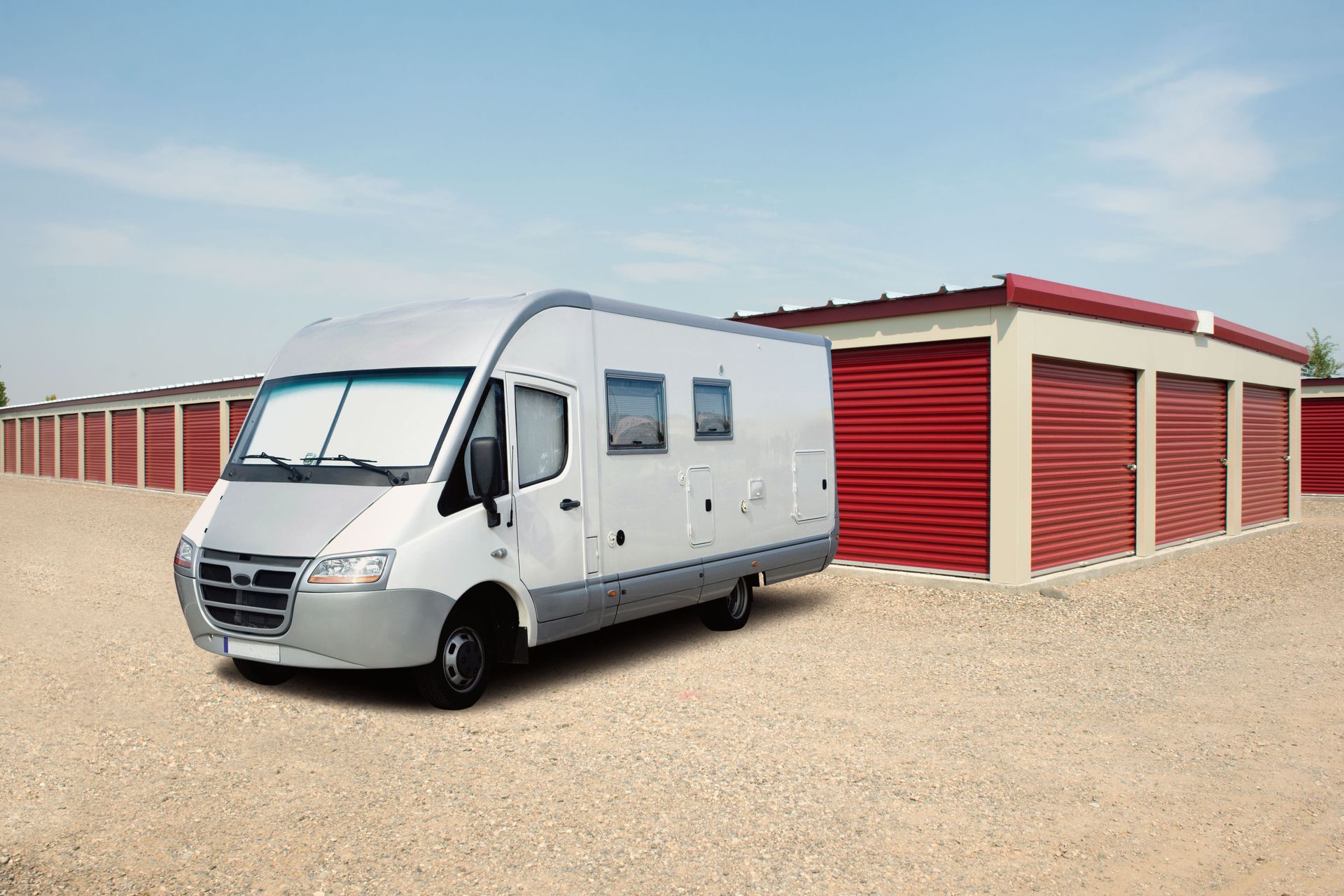
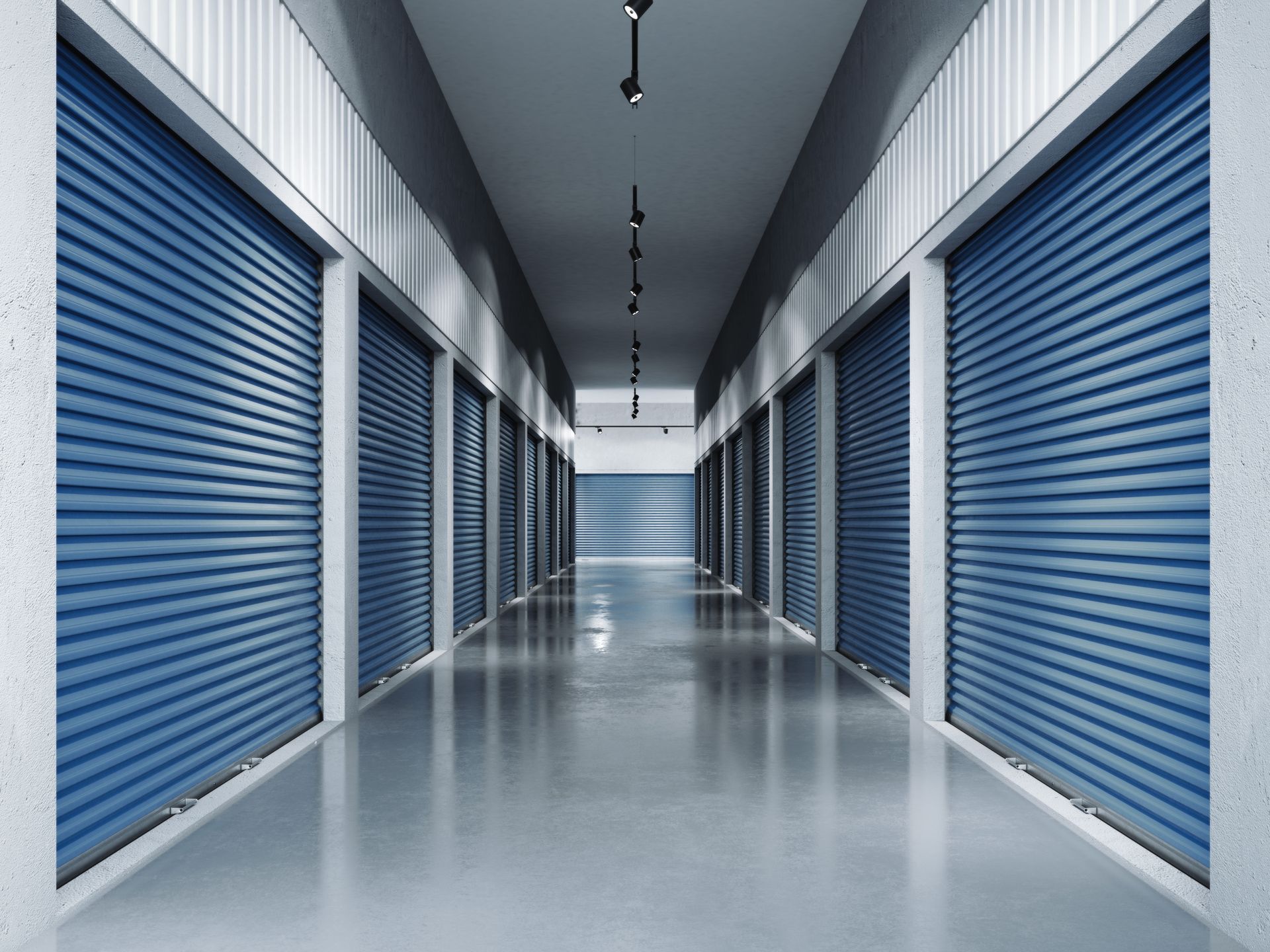
Choosing an appropriate environment to park your rig between road trips is the foundation of long-term vehicle care. Owners typically select between outdoor open lots, covered outdoor structures, and fully enclosed, climate-controlled indoor bays. Outdoor open parking offers a budget-friendly option, but leaves paint, rubber seals, and rooftop components exposed to continuous weather elements. Covered structures shield your roof from intense sunlight and falling debris, providing a balanced middle ground for structural protection. Fully enclosed indoor spaces offer the highest level of security and weather defense, completely isolating your motorhome from freezing winds, intense heat, and moisture accumulation.
Evaluating your local climate helps determine which level of physical protection your camper needs during extended downtime. Regions with heavy snowfall, high humidity, or intense desert sunshine often warrant the added protection of covered or indoor spaces to prevent exterior fading and roof leaks. Understanding common industry trends can also give you context on how long owners utilize external space. According to Yardi Breeze, the average length of stay for a self-storage tenant has increased to 18.5 months as of 2026. Evaluating facility location, perimeter fencing, electronic gate access, and lighting ensures that your chosen RV storage setup meets both your vehicle protection needs and peace-of-mind standards.
Preparing the Exterior for Extended Parking
Cleaning and protecting the exterior shell before parking your vehicle for months prevents long-term finish degradation. Accumulations of road grime, tree sap, bird droppings, and highway salt can slowly erode your vehicle's clear coat and cause unsightly staining if left untreated. Giving your motorhome or trailer a comprehensive bath using specialized automotive soap removes contaminants and preserves original paint luster. Applying a high-grade protective wax or sealant creates an invisible shield that repels moisture and UV rays while making future washing significantly easier.
Inspecting rubber seals, sealant beads, and rooftop fixtures is equally critical before locking up your rig. Over time, sunlight causes rubber seams around slide-outs, windows, and roof vents to dry out, shrink, and crack, creating entry points for water intrusion. Applying rubber protectant conditioners restores flexibility to slide-out seals, while re-caulking minor roof gaps prevents catastrophic moisture damage during heavy rains. Investing time in external maintenance ensures that your choice of RV storage provides maximum protection against environmental wear and expensive water damage.
Winterizing Onboard Plumbing Systems
Draining and sanitizing your plumbing infrastructure is an absolute necessity prior to seasonal cold snaps. Water left inside pipes, water heaters, water pumps, and holding tanks expands as it freezes, leading to cracked plastic fittings, ruptured copper lines, and massive interior flooding upon spring thaw. Beginning the winterization routine requires draining the fresh water holding tank, opening low-point drain valves, and completely emptying the hot water heater. Flushing gray and black water waste tanks thoroughly ensures that residual waste does not create persistent odors or harden inside holding tanks.
Pumping non-toxic automotive antifreeze through all internal plumbing lines provides complete protection against freezing temperatures. Bypassing the hot water heater allows you to distribute antifreeze throughout kitchen sinks, bathroom showers, and toilet lines without wasting excess fluid. For owners in milder regions, purging lines with compressed air can remove standing water without filling system pipes with liquid antifreeze. Following proper plumbing procedures guarantees that your camper remains structurally sound and ready for immediate spring use within your preferred RV storage facility.
Safeguarding Electrical Systems and Batteries
Managing electrical components correctly prevents dead batteries, parasitic power drains, and premature battery replacement. Modern recreational vehicles feature numerous small electronic devices—such as alarms, clocks, stereo display lights, and appliance sensors—that continuously pull small amounts of electricity even when the main master switch is turned off. Over several weeks, this slow parasitic draw can completely drain house and chassis batteries, causing permanent cell damage and rendering them unable to hold a charge.
Disconnecting main battery cables or engaging master battery shut-off switches stops parasitic power loss during long parking stretches. If you park your vehicle in an unpowered outdoor lot, removing batteries entirely and storing them on wood boards in a temperature-regulated garage with a trickle charger maintains optimal battery health. For vehicles housed in premium facilities with electrical hookups, leaving the rig plugged into shore power keeps onboard converter chargers running continuously. Proper battery care ensures that your motorhome starts effortlessly when retrieved from RV storage for a weekend getaway.
Defending the Interior Against Pest Invasions
Securing the interior cabin against insects, mice, and other critters preserves your living space and internal wiring. Small rodents seek warm, dry shelters during colder months and can enter through surprisingly minuscule gaps in underbelly insulation or plumbing access holes. Once inside, pests chew through electrical wiring, destroy foam cushions for nesting material, and leave droppings that ruin mattresses and carpets. Performing a deep clean throughout the kitchen pantry, refrigerator, and cupboards removes all food crumbs and scents that attract pests.
Eliminating scent attractants and sealing entry points creates an inhospitable environment for unwanted animal guests. Remove all non-perishable food, spices, paper towels, and trash from the interior prior to extended parking. Placing natural pest deterrents—such as peppermint oil packs, cedar blocks, or specialized bait stations—around tires and stabilizer jacks discourages critters from climbing into the chassis.
Checking cabinet interiors and applying expanding foam or steel wool around pipe penetrations keeps rodents outdoors, ensuring your RV storage experience remains clean, hygienic, and damage-free.
At Park Place Storage, we are deeply committed to providing secure, spacious, and state-of-the-art RV storage solutions designed to protect your valuable recreational vehicle from weather elements, theft, and environmental wear. Our modern facilities feature high-definition security surveillance, electronic gated entry, fully enclosed indoor spaces, covered canopy bays, wide staging lanes, and convenient power hookups tailored specifically for motorhomes, travel trailers, and campers of all sizes. We take immense pride in offering clean, well-lit, and meticulously maintained properties that deliver complete peace of mind, allowing you to store your vehicle with total confidence between adventures. We continuously invest in top-tier security measures, pristine perimeter grounds, and hassle-free access systems so that preparing for your next family road trip is always smooth and stress-free. Contact us today to reserve your premium parking space and discover how our passionate team can elevate your vehicle care experience.