August 7, 2026
As life circumstances evolve, managing personal belongings often becomes a balance between maintaining living space and preserving items of value. Whether you are navigating a major life transition, downsizing your living quarters, or expanding a home business, finding adequate room for your possessions can present a significant challenge. Turning to a professional storage facility provides a flexible, temporary solution that bridges the gap between spatial limitations and organizational needs. However, committing to a recurring monthly rental agreement requires careful consideration to ensure the expense delivers genuine utility.
Renting off-site space is more than just purchasing extra square footage; it involves evaluating convenience, safety protocols, overall costs, and your long-term organizational goals. Before committing to a lease, it is vital to analyze whether the convenience justifies the ongoing investment. By assessing your specific requirements against the features offered by modern operators, you can make a well-informed decision that enhances your living or working environment while protecting your financial budget.
Convenience and Accessibility Factors
The geographic placement of a storage facility is one of the most critical factors influencing its day-to-day utility. A location situated near your primary home or workplace drastically reduces travel time and transportation costs, making it far easier to retrieve or store items as needed. In densely populated urban areas, facilities are often conveniently situated near major roadways, offering rapid access for city residents who face spatial constraints. Conversely, rural properties may be located further away, requiring additional driving time but frequently offering larger layouts at lower rates.
When evaluating potential locations, consider your anticipated frequency of visits. If you plan to access your unit weekly to retrieve business inventory or seasonal equipment, choosing a site along your daily commute is essential. For long-term storage of items you rarely need, selecting a location further outside high-density commercial centers might save you money without significantly compromising convenience. Aligning your transportation habits with the property's location ensures a smoother, less stressful rental experience.
Beyond physical distance, operational scheduling determines how effectively a site fits into your routine. Some properties offer 24-hour access via automated gates, while others restrict entry to standard business hours. If your schedule requires late-night or early-morning visits, verified access hours must be a priority during your search. Furthermore, physical entry features—such as wide drive-up lanes, spacious freight elevators, and available loading carts—substantially reduce the physical strain of moving heavy furniture or large boxes.
Security Measures and Asset Protection
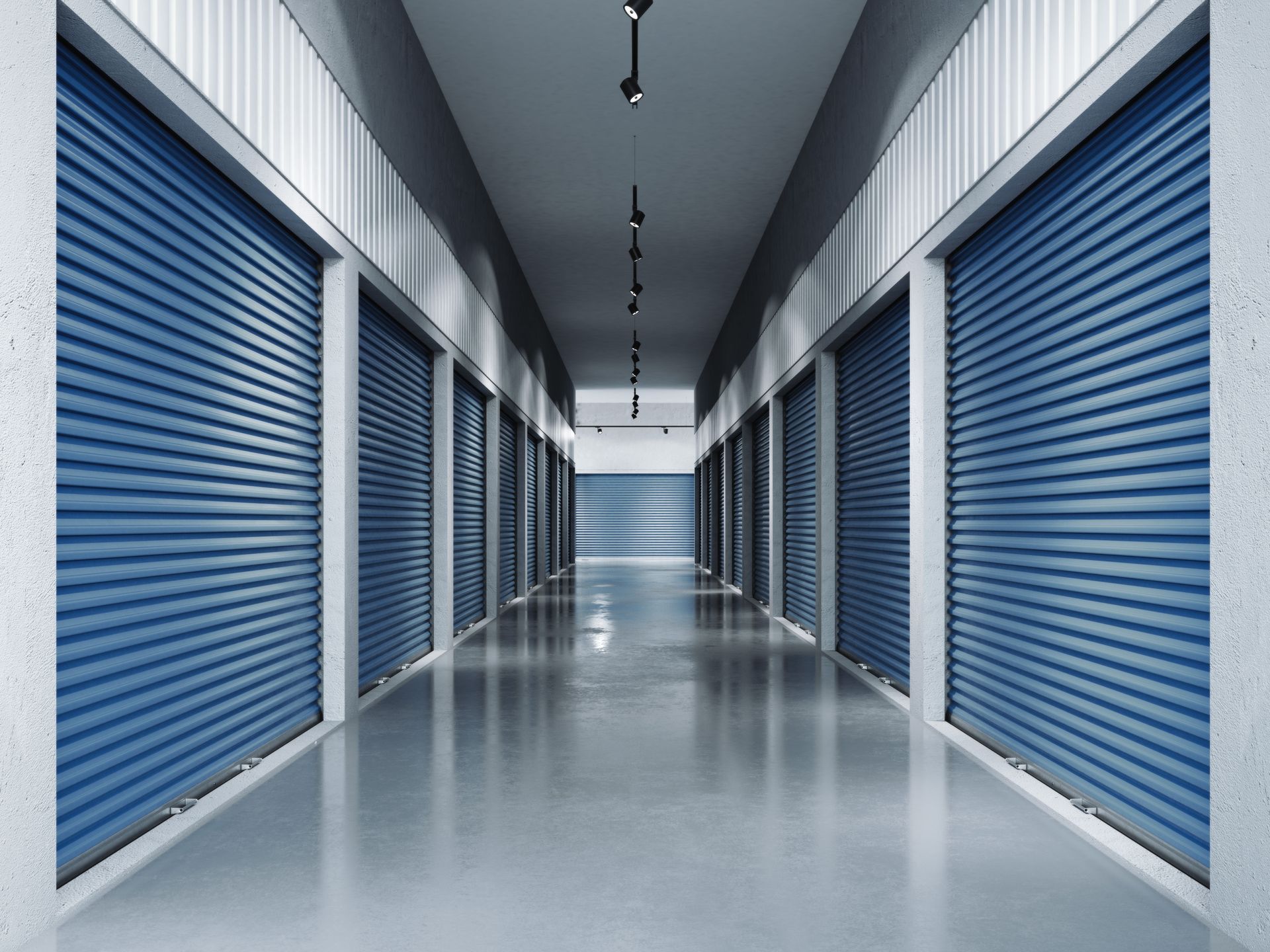
Security is a primary concern when entrusting personal possessions to an off-site location. Top-tier operations implement comprehensive security frameworks designed to deter unauthorized access and protect stored items. Advanced digital surveillance systems, including high-definition interior and exterior closed-circuit cameras, maintain continuous monitoring across the entire property. Keypad gate entry systems ensure that only active tenants and authorized staff members can enter the grounds, creating a clear electronic record of site traffic.
Individual unit security relies on sturdy locking mechanisms and, increasingly, electronic smart locks that send real-time alerts to your smartphone when your door is opened. High-quality perimeter fencing, well-lit hallways, and electronic door controls offer essential physical defense. When touring a potential storage facility, pay attention to visible maintenance and security features to ensure the management team actively maintains their safety equipment.
The presence of on-site management and routine staff patrols offers an additional layer of oversight that technical equipment alone cannot replicate. On-site staff members can address immediate maintenance issues, assist visitors, and serve as an active deterrent against suspicious behavior. To further mitigate financial risk, reputable operators require renters to maintain insurance coverage. These policies protect your goods against unforeseen events like severe weather or structural fires, offering financial security and peace of mind.
Financial Considerations and Hidden Costs
Evaluating the financial impact of renting off-site space requires looking beyond the advertised base monthly rate. Rental prices fluctuate based on geographic demand, available square footage, and specialized features like climate control. Urban properties generally command higher monthly rates due to elevated real estate costs, whereas suburban or rural options offer more square footage per dollar.
To maintain an accurate budget, inquire about potential extra costs before signing a contract. Administrative setup fees, mandatory lock purchases, and monthly insurance premiums can incrementally increase your initial payment. Additionally, ask about fee structures regarding late payments or price increases over time. Understanding the full cost breakdown guarantees that your rental agreement remains financially sustainable throughout your tenancy.
Many operations attract new tenants by offering promotional discounts, such as a discounted first month or reduced long-term rates. While these incentives lower initial costs, it is important to review the underlying lease terms carefully. Most facilities operate on flexible month-to-month contracts, allowing tenants to terminate their leases without hefty cancellation fees. If you need long-term space, ask whether locking in a multi-month or annual agreement can protect you from routine rate increases.
Storage Unit Types and Sizes
Selecting the correct environment for your belongings is essential for preventing physical degradation over time. Standard drive-up units are cost-effective and convenient for durable items like plastic bins, lawn tools, metal furniture, and outdoor equipment. However, sensitive items exposed to severe temperature fluctuations or excess humidity can suffer irreversible damage, including wood warping, fabric mildew, electronic short-circuiting, and paper decay.
For items vulnerable to environmental conditions, a climate-controlled storage facility maintains stable temperature and humidity levels year-round. This specialized interior environment is ideal for preserving delicate possessions like family heirlooms, musical instruments, leather goods, and business archives.
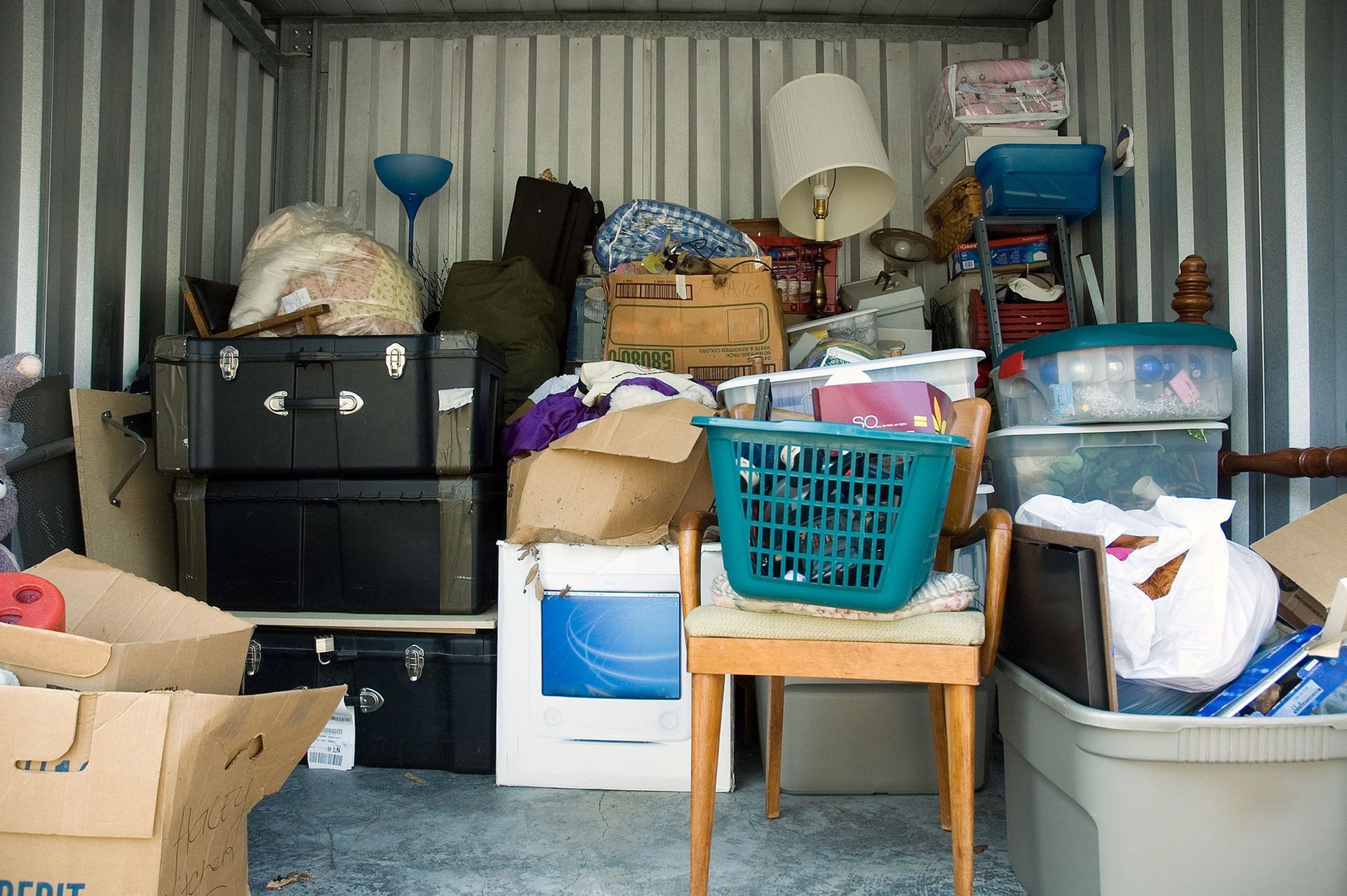
Choosing the right unit size prevents you from paying for unused square footage or cramming boxes into an overcrowded space. Standard sizes range from small 5x5-foot closets to expansive 10x30-foot spaces capable of holding the contents of a multi-bedroom home. Taking an inventory of your possessions beforehand helps management recommend the ideal dimensions for your needs.
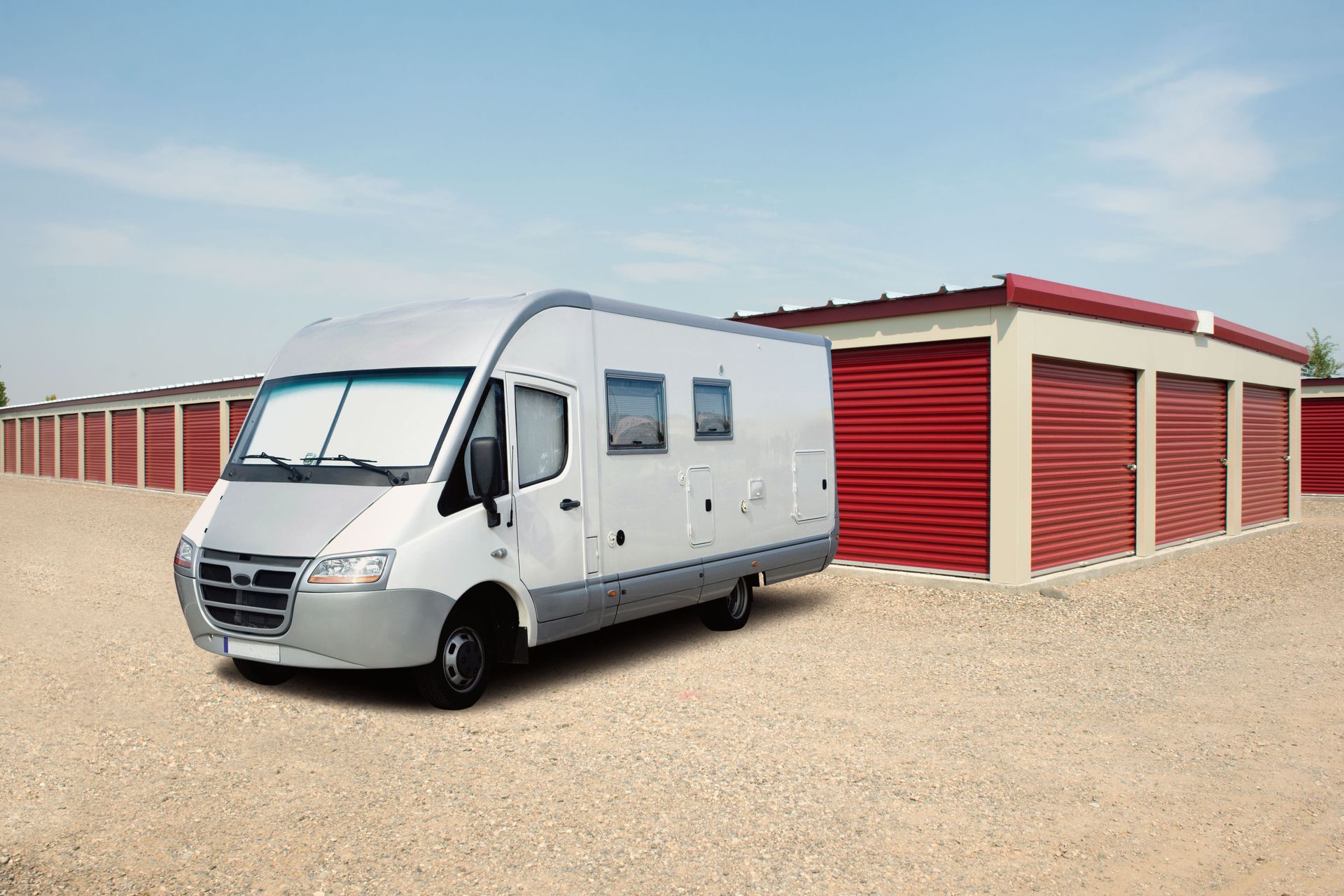
Beyond household goods, specialized units for larger recreational vehicles have seen rapid demand. According to MMCG Invest, the RV and boat storage sector is projected to grow at a compound annual growth rate of 12.5% through 2035. Facilities offering outdoor, covered, or fully enclosed vehicle bays provide safe, compliant parking options that keep oversized vehicles out of residential driveways.
Practical Applications and Use Cases
Renting off-site space is uniquely valuable during major life events. During a home relocation or major remodeling project, a temporary unit keeps furniture safe from dust, debris, and structural damage while freeing up working space for contractors. Staging a home for sale is another scenario where extra space pays off; clearing out excess furniture creates an open, attractive layout for prospective buyers.
Commercial enterprises frequently utilize off-site space as a flexible, cost-effective alternative to expensive commercial warehouses. E-commerce sellers, retail stores, and service contractors use these units to house extra inventory, promotional materials, tools, and excess office furniture. Similarly, homeowners benefit from seasonal rotation, storing winter tires, holiday decorations, and summer patio furniture during the off-season to keep their garages organized.
Renting an off-site unit provides a highly effective solution for managing space limitations, easing major life transitions, and protecting valuable belongings. By evaluating key factors such as location convenience, security measures, structural unit types, and true monthly costs, you can easily determine whether an off-site space aligns with your lifestyle and financial goals. Taking the time to assess your needs ensures that your investment yields maximum utility, flexibility, and organizational clarity.
When you are ready to declutter your living environment or secure professional space for your recreational vehicles and equipment, rely on the secure, state-of-the-art accommodations at Park Place Storage to protect your investments with total confidence.